Imagine your emotions as a dashboard in a highly advanced cockpit. Every warning light, every signal has a purpose. Yet, we often forget how to interpret these signals correctly. We try to suppress "negative" feelings like fear or anger while desperately chasing "positive" ones like happiness. But the truth is: Emotions are neither good nor bad – they are information.
How Feelings Arise
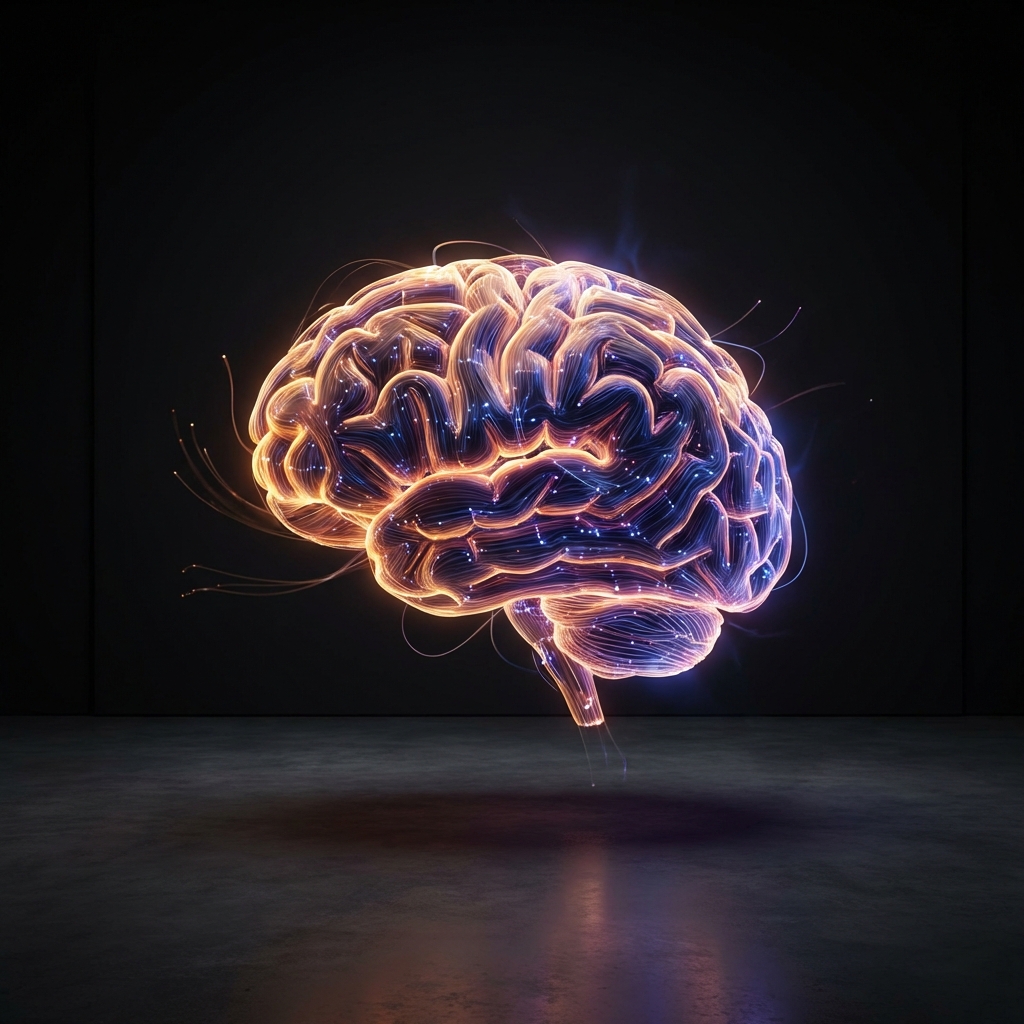
The Neural Fireworks
What we perceive as feeling is a complex reaction of the limbic system. The amygdala evaluates stimuli in milliseconds, while the prefrontal cortex tries to categorize the experience. Feelings are physical reactions to thoughts and environmental stimuli.
The 6 Basic Emotions
Joy
Signals safety and success.
Anger
Protects boundaries and mobilizes energy.
Fear
Warns of danger and prepares for flight.
Sadness
Helps process loss.
Disgust
Protects from harmful influences.
Surprise
Focuses attention on the new.
Why EQ is More Important than IQ
Emotional intelligence (EQ) is the ability to accurately perceive, understand, and influence one's own and others' feelings. In the modern workplace and in relationships, it is the decisive success factor. Those who can regulate their emotions do not turn off their feelings but consciously choose how to respond to them.

Tools for Regulation
Do you want to learn how to better manage your emotional reactions? Here are proven methods:
Mood Journaling
Writing down feelings helps gain distance. When you say "I have fear" instead of "I am fear," you create space for observation.

Discover Your Emotional Balance
Our AI assistant supports you with daily prompts and reflection exercises for greater emotional clarity.
Get Started Now