Does the morning begin with stress, breakfast is eaten standing up, and by the evening there's no strength left for real connection? Many families know this "autopilot" that often feels like a hamster wheel. Routines are not confining chains, but the invisible frame that gives your family support.
Why Routines Make You Happy
From a psychological perspective, routines reduce the number of daily decisions. This saves mental energy and reduces stress hormones for parents and children alike. Children gain security and self-confidence through predictability.
The Gentle Start: The Morning Routine
A harmonious morning sets the tone for the rest of the day. Instead of "Hurry up, we're late," small buffer times and firm sequences can work wonders. Prepare breakfast together or use the first 10 minutes for a shared ritual without screens.

Anchor Points: Shared Meals
In a time where everyone has appointments, the dining table is the most important meeting point. It's less about the perfect 3-course menu and more about undivided attention. The rule "cell phone-free zone" at meals is one of the most valuable decisions you can make for your family.
The Heart: The Evening Ritual
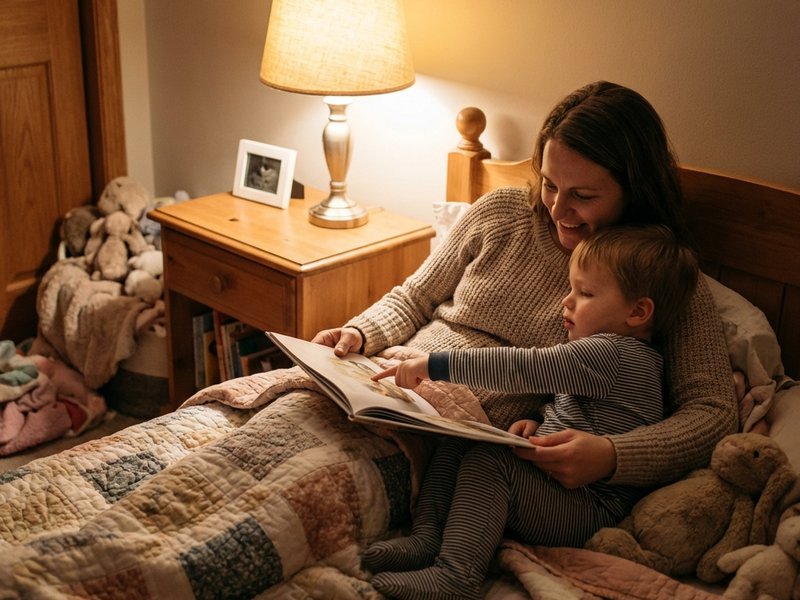
Transitioning from an active day to a rest phase is a challenge for many children (and parents). A firm sequence – from dinner to brushing teeth to a bedtime story – signals to the body: it's time to let go.
3 Tips for Functioning Routines
Routines must fit your life, not a textbook. Start small:
- **Participation:** Involve your children in the design (e.g., "What song shall we listen to while tidying up?").
- **Flexibility:** A routine is a tool, not a law. If it doesn't work out sometimes, that's okay.
- **Consistency:** It takes about 21 days for a new sequence to become a habit. Persevere!
Shaping the Future Together
Routines are a declaration of love for your time together. They create space for what really matters: laughter, exchange, and the feeling of belonging unconditionally. Start today with a small change.