Do you know that feeling? You walk into a room and suddenly forget what you actually wanted there? Or a name of an acquaintance is on the tip of your tongue but just won't come out? Don't worry, it happens to all of us. The good news: your brain is incredibly adaptable. With targeted memory training, you can keep your grey cells fit – completely stress-free.
Understanding Neuroplasticity
The term neuroplasticity describes the brain's ability to physically change through learning and experience. It was once believed that the adult brain was static. Today we know that we can forge new connections well into old age.
Why Memory Training?
Our brain works on the principle: "Use it or lose it." If we don't challenge our cognitive abilities, they slowly degrade. Memory training promotes the formation of new synapses and improves blood flow to the thinking organ. It's not about becoming a super genius, but about preserving mental flexibility into old age.

Games that Challenge Your Brain
Playing is one of the most effective ways to learn. It combines cognitive challenge with positive emotions. Here are some recommendations for effective training:
5-Minute Memory Hacks
You don't have to sit at a desk for hours. These small exercises can be perfectly integrated into everyday life:
- Brush your teeth with the opposite hand: This forces your brain to forge new neural connections.
- Recapitulate the day backwards: Before you fall asleep, go through the day in your head from evening to morning. What did you eat? Who did you meet?
- Visualize your shopping list: Link products with places in your home (Loci Method).
- Take new paths: Consciously take a different route to the supermarket or to work.
- Read aloud: Reading aloud activates different areas than silent reading and strengthens memory retention.
The Social Component
Did you know that social contact is one of the best ways to combat mental decline? A conversation requires concentration, quick reactions, empathy, and retrieving information. Regular exchange with friends and family is therefore active brain training.
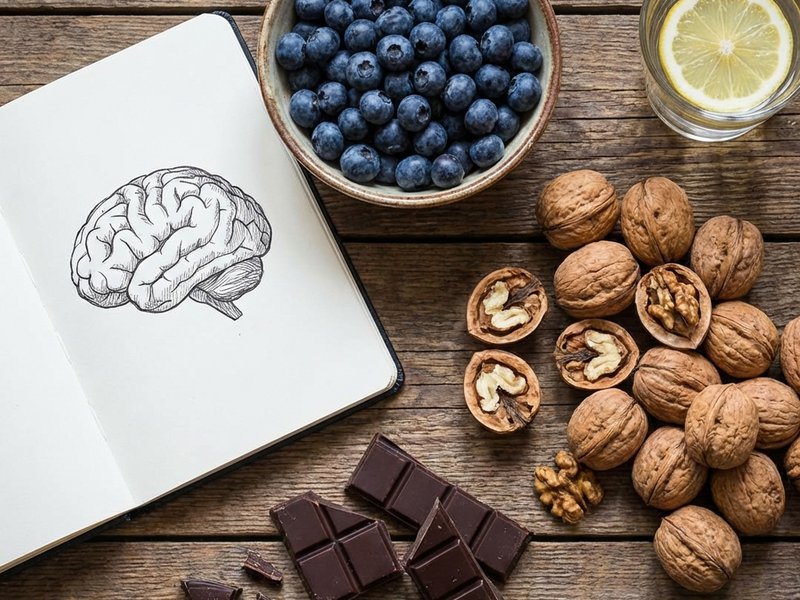
Brainfood: Nutrition for the Brain
What you eat has a direct influence on your concentration. Besides Omega-3 fatty acids (in fish or algae), antioxidants are particularly important for protecting brain cells from stress.
Summary: Stay Curious
Memory training for beginners means one thing above all: get out of the routine! Your brain loves novelty. Try a new exercise every week, learn a new word in a foreign language, or start a new hobby. Mental vitality is a lifelong journey that starts every day with a small decision.