Memory training, brain training, cognitive fitness – these terms are booming. But what does it really achieve to solve puzzles on a smartphone or play Sudoku? For a long time, science was skeptical about whether training a specific task actually leads to a general improvement in intelligence. Today we know: it's more complicated, but also more exciting than expected.
Neuroplasticity: The Foundation
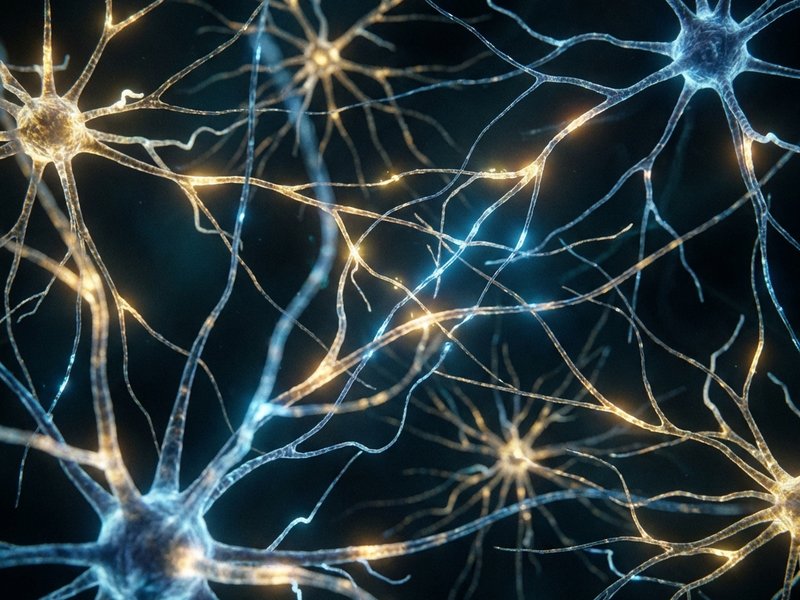
The most important breakthrough in brain research in recent decades was the realization that the brain stays plastic into old age. It is not a fixed organ, but a dynamic network that changes physically when we challenge it in new ways. Every new piece of information, every new skill creates new connections between neurons.
Deep Dive: Metabolic Effects
Newer studies using fMRI show that with unfamiliar cognitive tasks, glucose consumption in specific cortical areas jumps. With increasing practice (automation), this consumption drops again – the brain works more "economically". This explains why constant variety is so important for the training effect.
The "Transfer Effect"
The big question in science is: is there a transfer effect? If you track dotted lines in an app, will you also become more attentive in real life? Studies (e.g., the famous COGITO study of the Max Planck Institute) show that cognitive training can indeed have measurable effects on working memory capacity – provided the training is intensive and varied enough.
Myth or Reality?
A widespread myth is that we only use 10% of our brain. The truth: we use almost 100%, but not all at once. Brain training helps increase the efficiency of communication between brain areas.
Scientifically Proven Methods
Which types of training have the strongest evidence? It's less about "isolation exercises" and more about complex demands:
Dual N-Back Exercises
The only exercise where many studies have been able to demonstrate an increase in fluid intelligence (the ability to solve complex problems). it challenges working memory to the maximum.
Mindfulness & Meditation
Scientifically proven: regular meditation physically increases gray matter in the hippocampus, the center for learning and memory.

Building Cognitive Reserve
Scientists often speak of "Cognitive Reserve". Those who challenge their brains throughout their lives – by learning new languages, playing music, or demanding social contacts – build a buffer that can significantly delay symptoms of degenerative diseases like dementia.
Summary
The science behind brain training shows: there is no magic pill, but steady challenge pays off. The best results are achieved when you combine cognitive training with movement, healthy nutrition, and mindfulness. Stay curious – your brain will thank you.