In almost every family, they exist: those moments when worlds collide. The 16-year-old granddaughter doesn't understand why the grandfather clings so persistently to old traditions, and the grandfather shakes his head at the digital fast-paced life of youth. We call these friction points generational conflicts. But what if we could use this friction not as a problem, but as a source of energy for growth?
The Origin of Incomprehension
Every generation is shaped by its own time – by its crises, technological advances, and social values. This "shaping" is like a pair of glasses through which we see the world. A conflict usually arises when we forget that the other person is wearing a completely different set of glasses.
Perspective Shift: Walking in Someone Else's Shoes
The first step towards healing a generational divide is curiosity. Instead of judging ("Today's youth has no respect" or "Old people are stubborn"), we should ask questions. Why is security so important for the older generation? What freedoms does the younger one desire?
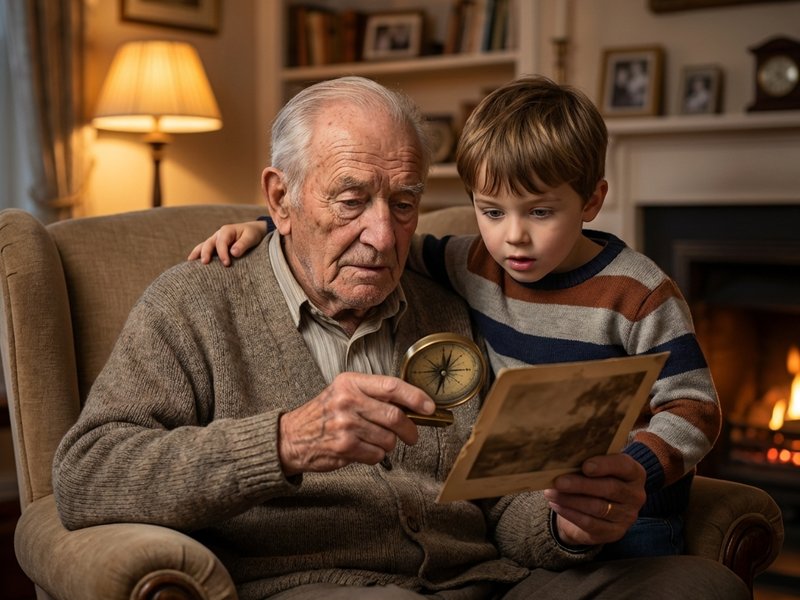
When we understand that the other person's behavior is often a protective mechanism or an expression of their life experience, it becomes easier for us to develop empathy. Understanding doesn't necessarily mean agreement – but it creates space for a respectful dialogue.
The Language of Bridge Builders
How do we talk to each other? In conflict situations, we tend to justify ourselves or attack. Bridge builders use a different language:
- **Listen to understand** (instead of listening to respond).
- **Find common ground:** Even if the methods are different, the basic needs for love, security, and significance are the same for all generations.
- **Humor:** A smile about one's own quirks often takes the edge off a discussion.
Constructive Conflict Resolution
Quarreling in the family is normal. The "how" is decisive. Avoid generalizations like "You always have to..." or "You never do...". Stick to your feelings and your wishes.

Conclusion: The Power of Unity
A family is like a tree: the older generation forms the deep roots that provide stability, while the young branches reach out towards the new light. Both are necessary. By building bridges, we create a healthy ecosystem where everyone has their place and is valued.