In a family, we often feel so deeply connected that the boundaries between "I" and "We" become blurred. While this is beautiful on one hand, it can also lead to overwhelm and dissatisfaction. Healthy boundaries are not walls that shut others out, but fences with doors: they show where you start and where the other person begins.
Why Boundaries Are Love
When you communicate your boundaries clearly, you give your family the chance to truly respect you. Without boundaries, resentment often arises, which burdens the relationship in the long run. Setting boundaries therefore means taking responsibility for your own well-being and thus for the harmony in the house.
The Need for Autonomy
Children and adolescents especially need space to develop their own identity. Autonomy means being allowed to make one's own decisions and having privacy. When parents respect this space, mutual trust grows.
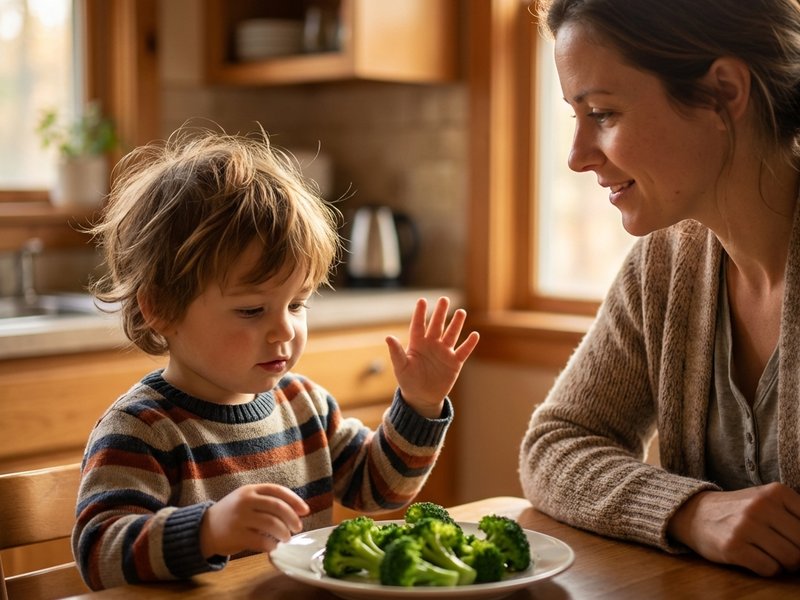
It starts with small things: Is your child allowed to decide what to wear? Do people knock on the bedroom door before entering? These small acts of respect for autonomy lay the foundation for healthy self-esteem.
Finding Balance: When Closeness Becomes Too Tight
Sometimes we confuse constant availability with love. But parents need breaks too. It is completely legitimate to say: "I need 30 minutes of peace for myself now, then I will be fully there for you again." This teaches your children a healthy way of dealing with their own resources.
How to Communicate Boundaries Appreciatively
The key lies in the way they are formulated. Boundaries should be clear but friendly:
- **Clarity:** "I don't want you to take my phone without permission."
- **Explaining needs:** "I need this moment of peace to recharge my energy."
- **Consistency:** Stick to your statement, even if it initially meets with resistance.
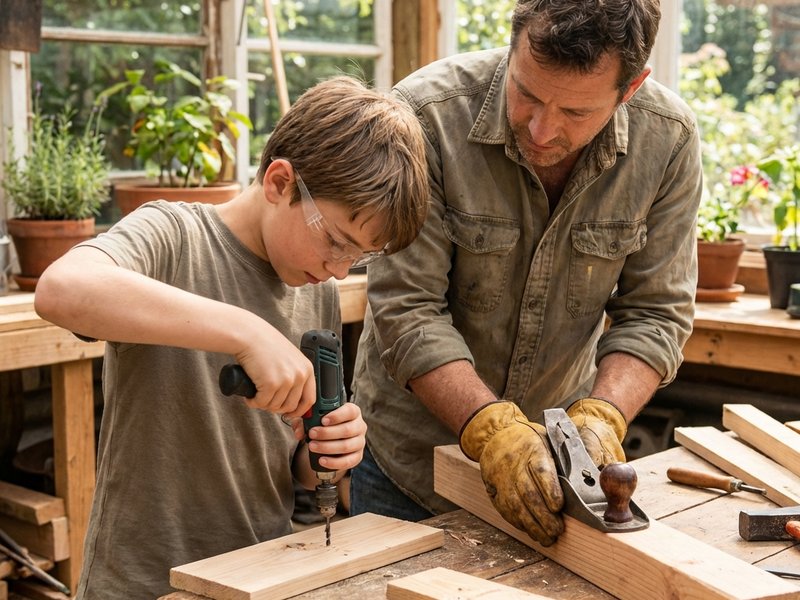
Summary: A House with Many Rooms
Imagine your family like a house. there are common rooms where people laugh, eat, and play. But there must also be retreats where everyone can simply be themselves. When this balance is right, the home becomes a true place of strength for everyone.